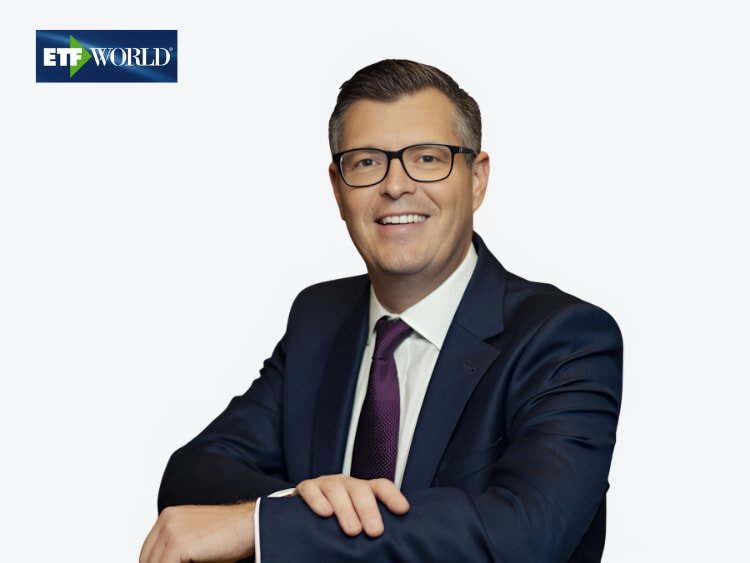
Investoren wollen 2014 wieder in Rohstoffe investieren Zyklische Metalle sind am beliebtesten

Laut einer heute veröffentlichten Umfrage von ETF Securities, einem der führenden unabhängigen Anbieter von börsengehandelten Rohstoffen, sogenannten Exchange Traded Commodities (ETCs), wollen institutionelle Investoren im Jahr 2014 wieder in……


ETF Securities Research


Nicholas Brooks, Leiter Research und Investmentstrategie bei ETF Securities


Rohstoffe investieren. Vor allem zyklische Rohstoffe wie Platin, Palladium und Industriemetalle werden von den Investmentprofis favorisiert.


Für die Studie wurden insgesamt 450 professionelle Investoren befragt, die an den jährlichen Rohstoffinvestment-Konferenzen von ETF Securities in Frankfurt, London, Mailand und Zürich im vergangenen Monat teilgenommen haben. Die Befragten gaben an, dass Rohstoffe zu ihren favorisierten Anlageklassen im Jahr 2014 gehören. Knapp 20 Prozent zählen sie sogar zu ihren „Top Drei“.


„Die meisten der von uns befragten Investoren gaben an, dass sie im Jahr 2014 weltweit und insbesondere in den USA ein starkes Wirtschaftswachstum erwarten. Angesichts dieses Wachstumsszenarios rechnen sie nach drei durchwachsenen Jahren wieder mit anziehenden Rohstoffkursen. Vor allem Platin und Kupfer stehen im Fokus“, sagt Nicholas Brooks, Leiter Research und Investmentstrategie bei ETF Securities, und ergänzt: „Auch Gold hat bei der Umfrage gut abgeschnitten. Denn Investoren sehen in dem Edelmetall offenbar eine gute Absicherung, falls die Wachstumsprognosen nicht eintreffen.“


Insbesondere bei Industriemetallen wird Aufwärtspotential gesehen. Als Einzelrohstoffe favorisieren die Investoren Platin, Kupfer und Silber. Platin nennen 31 Prozent der Befragten als ihren bevorzugten Rohstoff, gefolgt von Kupfer mit 26 Prozent und Silber mit 15 Prozent. Auch Gold ist offenbar als Absicherung gegen konjunkturelle und finanzielle Risiken nach wie vor interessant. So wählten immerhin 13 Prozent der Investoren das Edelmetall zu ihren Favoriten für 2014.


Die Ergebnisse bestätigen frühere Einschätzungen, dass sich Rohstoffe gut entwickeln werden, wenn die Weltwirtschaft weiter wächst. ETPs auf Platin und Silber verzeichneten mit 1,3 Milliarden und 841 Millionen US-Dollar bereits im Jahr 2013 die höchsten Mittelzuflüsse. Sie haben von Gold in diejenigen Rohstoffe umgeschichtet, die positiv mit dem weltweiten Wirtschaftswachstum korrelieren.


Laut der Umfrage sehen die Investoren vor allem zwei Risiken für 2014: Erstens fürchten sie eine negative Reaktion der Finanzmärkte auf die Reduzierung der Anleihekäufe durch die Fed. Zweitens sehen sie ein Risiko darin, dass sich die Weltwirtschaft langsamer erholt als die Konsensus-Schätzungen derzeit erwarten. Während sich 20 Prozent insbesondere um das Wachstum in den USA sorgen, sind 21 Prozent durch eine schwächere Wirtschaft in China beunruhigt.


Source: ETFWorld.de


Commodities

Although gold often gains during extreme events, the start of the first US Federal shutdown in seventeen years last week failed to lift the gold price. Investors appear to be looking through the storm and are focused on assets that will either benefit from the continuation of the global growth recovery or are generally uncorrelated with debt risk.  Cotton and sugar gained 2.3% and 1.8% last week, bouncing from lows hit in September, but without strong news driving the trend. Platinum and palladium fell 3.6% and 2.5% respectively. That comes despite a 17% rise in Japanese auto sales (to a 14-month high) and a 12.1% rise in UK car sales (to a five-year high). US car sales also remained brisk, despite the timing of Labor Day distorting the monthly statistics. Autocatalyts are the primary source of demand for the platinum group metals (PGMs). The strike that started two weeks ago was still on-going last week at Amplats, constraining the supply of PGMs.

  MA Weekly 07.10.13 1

Equities

US equities remain under pressure as the negotiations over raising the US debt ceiling continue. The S&P 500 fell for the second consecutive week as Republicans and Democrats continued to fight over the budget and debt ceiling. European equities have also been sensitive to the political turmoil in the US. The Euro Stoxx 50® Investable Volatility Index, which provides exposure to the forward implied volatility of the Euro Stoxx 50® Index, surged 5% last week, followed by the FTSE® MIB Super Short Strategy Index and the ShortDAX® x2 Index, up 3.5% and 1.4% respectively. Global equities are likely to remain volatile and under pressure as we get closer to the estimated 17 October hard deadline for lifting the debt ceilding.

MA Weekly 07.10.13 2

Currencies

Safe haven currencies benefit as US fiscal negotiations drag on. The Japanese Yen (JPY) was the best performing G10 currency last week as investors sold risky assets and paid back JPY loans on growing concern about the lack of progress on US fiscal and debt negotiations.  For similar reasons the Swiss Franc (CHF) and even the Euro (EUR) also rallied against the US dollar last week. The British Pound (GBP) held up, continuing the trend of the past three months. However, towards the end of the week the currency showed some weakness, indicating the rally may be peaking. In our view, the GBP is one of the more overvalued G10 currencies and – despite recent rhetoric – has one of the more dovish central banks. We therefore believe the currency is particularly vulnerable to a sharp drop once growth data stop surprising to the upside.


Newsletter
Ich habe gelesen Privacy & Cookies Policy und ich stimme der Verarbeitung meiner persönlichen Daten für die darin genannten Zwecke zu.